Showing posts with label sell in China. Show all posts

Thursday, February 19, 2015

How Chinese New Year Festival Impacts the Global Economy

新年快乐

Even if you can’t read the above characters, their meaning is of great significance for exporters as well as for the global economy. The characters are translated as “Happy Chinese New Year,” and they are shared by more than 1.3 billion Chinese citizens and millions of others across the globe who celebrate the holiday.
It is worth mentioning, that decades ago the Chinese New Year celebrations, also called Spring Festival, had negligible impact outside of the nation. But as China has gained outsized shares of global production and economic influence, the centuries-old holiday, which has profound cultural significance in the Chinese-speaking countries, has acquired considerable prominence. This is how it impacts the global economy.

FACTORY FREEZE

The Chinese New Year is the holiday that gets companies to close their doors. This year, the holiday starts from Feb. 18 to Feb. 25, but it’s common for factories and businesses to close several days before the New Year to give workers time to travel to their families.
Thus the holiday has a significant impact on exporters. Territories with significant Chinese populations, including Macau, Taiwan, Singapore, Thailand, Indonesia, Malaysia, Mauritius and Philippines are also affected by the holiday; production comes to a halt, slowing down foreign trade as well.
Therefore, it is strongly recommended to plan ahead and schedule shipments carefully. Shipping companies usually warn customers that China’s transport and logistics networks are at capacity and their shipments must be at ports two weeks ahead of the holiday to stand a chance of getting on a boat before the country shuts down.
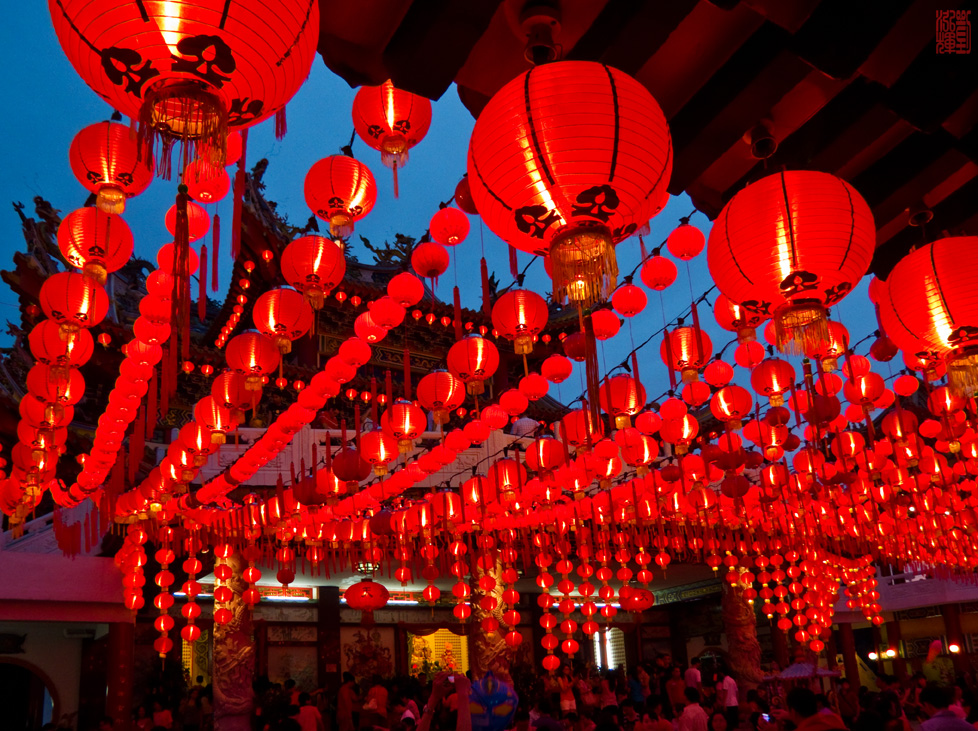
CRW_4947a thg red lanterns2 (web)

GLOBAL SHOPPING QUIET MARKETS

The festival in question is unquestionably the most important time of the year for family reunions, but as China has become a prosperous country, an increasing number of wealthy Chinese make their decision to travel abroad. This tendency translates into big business for international luxury brands. For instance, many British department stores are pulling out all the stops to attract the attention of Chinese shoppers. (Designer watches, jewelry and handbags can be up to 30% cheaper in Europe because of high luxury taxes in China.)
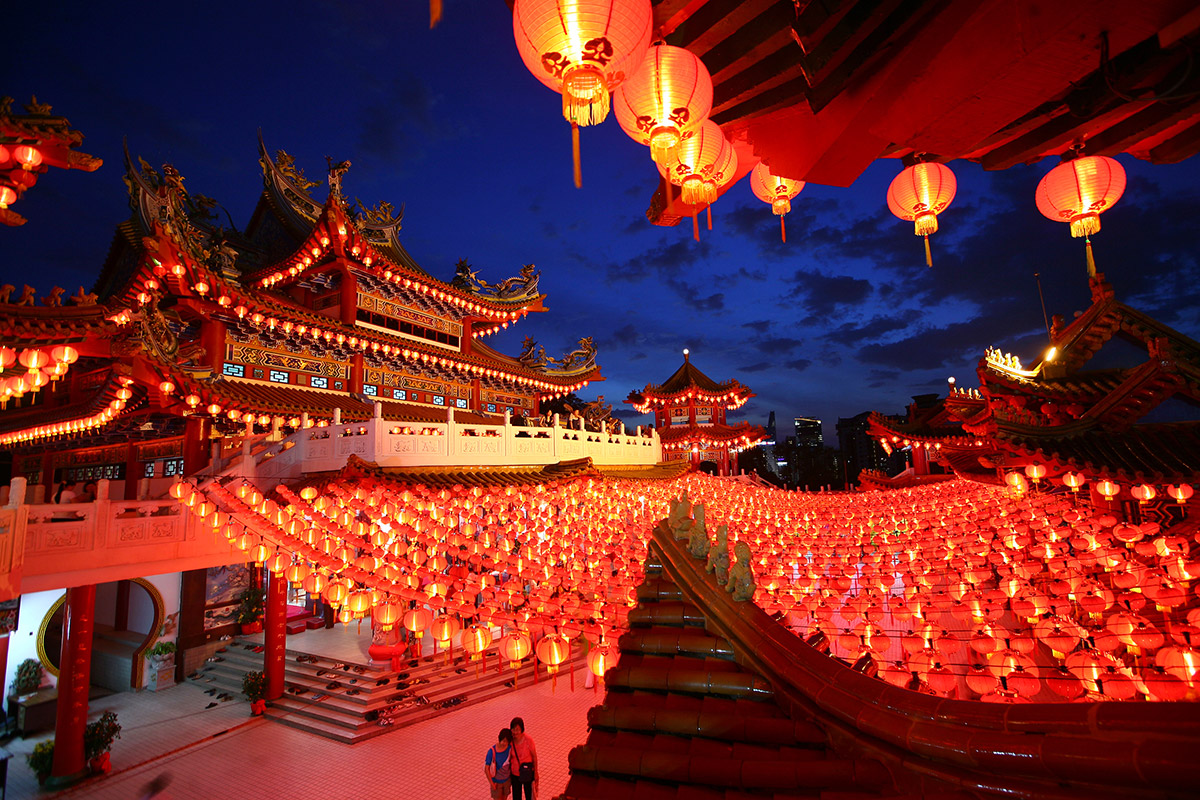
red-lanterns

 QUIET MARKETS

“Trading volumes “drop off considerably” about three working days before the start of the holiday”, said Andrew Sullivan, managing director at Haitong Securities in Hong Kong. “This year, Friday was “the last day that you can sell in Hong Kong and get your money before Chinese New Year” under trading settlement rules”, he said. “Foreign investors also tend to wind down trading in Asia as the holiday nears”, Sullivan said.

Friday, January 16, 2015

Why Should you Sell Online in China

Chinese consumers often break online world records. In November, 2014, Chinese online retailer Alibaba has taken more than $9.3bn in sales as Singles Day, the country’s biggest online retail event, dwarfs other sales bonanzas around the world such as Christmas in the UK or Black Friday in the US. The most popular product category was home decor and Alibaba revealed that over 1.2. million home appliances were sold on that day as well as over three million light products.
Sales volumes near 10bn yuan in the first few hours of China Singles Day online event at the Alibaba
Below you will find five reasons why you should join the Chinese eCommerce wagon and some pieces of advice for riding it.
1. Chinese Market is Huge and the Potential is even Bigger
China is the world’s largest auto market. The country sells more smartphones than anyone else: more art, beer, groceries and antiques. A growing portion of Chinese population make purchases every day, and there are no signs of stopping. By 2020, according to BCG forecasts there will be well-to-do consumers in the nation with income of $20K to$1m. Whatever your business is, it is hard not to take notice of China.

2. Ecommerce Takes China by Storm
Ecommerce business in China is a multi-hundred-billion-dollar-behemoth. 193 million Chinese ordinarily shop online, more than the US, Japan, Russia, Indonesia and India combined.

3. Chinese Consumers Prefer Western Brands
Just as Chinese consumers love shopping online, they love buying Western brands. Western brands are usually perceived as safer and of higher quality. BCG reports that 61% of Chinese would pay more for products made in the U.S. In luxury category, the preference is even higher.

4. Reducing the Risk of Fakes
Chinese shoppers are less trusting than consumers across the globe. Taking this fact into account, China’s most popular business-to-consumer website, TMall, only sells products directly from an authorized distributor, allowing its consumers to shop with the confidence. That bodes well for international brands who are much more likely to be copied.

5. Reaching the Inaccessible Masses
Another feature that evokes interest for eCommerce is that it can reach markets in China that are difficult or expensive to service otherwise. 75% of China’s well-to-do middle class live in smaller cities and most of these cities don not have the bricks & mortar stores featuring the international brands they are looking for. So they buy these items online. There are about 200 cities with population over million people in China, and selling online is the most efficient way to reach them.

The Chinese market is constantly changing and there do not exist 100% fail-safe rules for selling your products in it; but one thing is certain, you should be selling to them online. Good luck!