The article lists countries that don't have
much resources by its own, but still managed to contribute at least
$200 billion worth of exports to the world.
Japan is a
beautiful country with beautiful nature. A mountainous, volcanic
island country, Japan does not have sufficient natural resourches for
its own needs. The country however, built up a very diversified,
varieties of advanced industries that are among the world's most
successful. Japan's major exports include automobiles, consumer
electronics, computers, semiconductors, copper, iron and steel.
South Korea is one of the world's leading industrial powerhouse
today. Major exports of South Korea include semiconductors, wireless
telecommunications equipment, automotive, computers, steel, ships,
petrochemicals, high tech electronics and information displays. The
South Korean economy is still expanding at the fastest pace.
Though Italy doesn't have many bustling skyscrapers, it is
one of the world's leading economies. The Italian economy is driven
in large part by the manufacture of high-quality consumer goods
produced by small and medium-sized enterprises.The main weakness
Italy has is the lack of resources. Major exports of Italy include
engineering products, textiles and clothing, production machinery,
automotive, transport equipment, chemicals; food, beverages and
tobacco; refined metals and high-end luxurious consumer products.
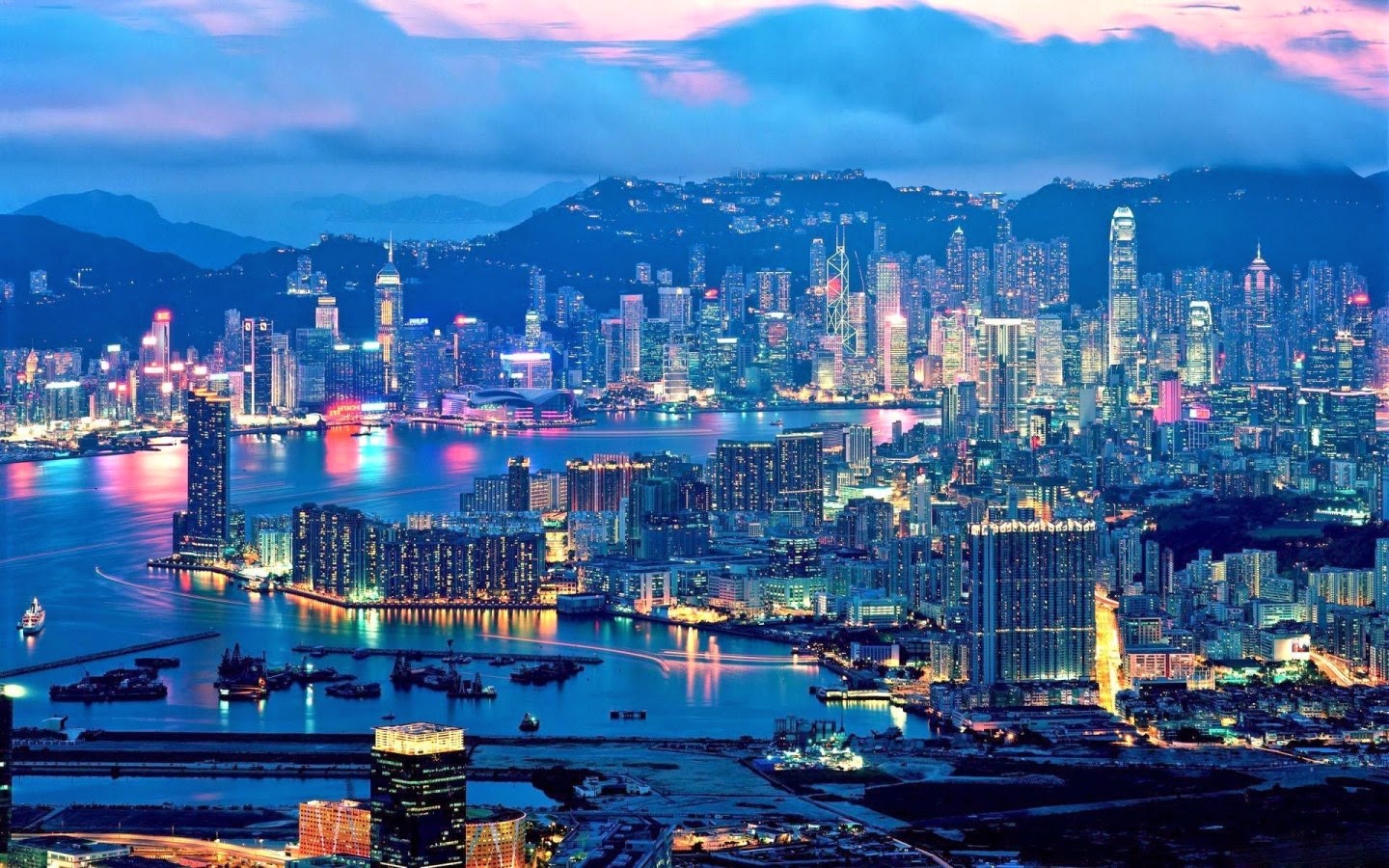
Hong Kong, due
to its size, has very little arable land and natural resources, so it
imports most of its food and raw materials. Hong Kong is the world's
largest entrepot, the city does not produce much, but it imports
semi-manufacture, refine and assemble them, then re-export them.
96% of Hong
Kong's exports are made up from re-exports. Major exports of Hong
Kong include textiles & clothing, electronics, plastics, toys,
watches and clocks.
A leading
entrepot like Hong Kong, 48% of Singaporean exports are made up from
re-exports but unlike Hong Kong, Singapore has a strong manufacturing
industries of its own. The tiny island produces 10% of world's
semiconductor wafer. Major exports of Singapore include machinery and
equipment, electronics, semiconductor, consumer goods, food &
beverages, pharmaceuticals and other chemicals and refined oil. The
rest are re-exports.
Switzerland economy focuses on niche industries,
specifically light and agricultural industries. Switzerland has very
strong food processing and confectionery industry, producing
multinational food company such as Nestle. The Swiss also excelled in
luxurious watch-manufacturing, with well-known global brands such as
Rolex and Swatch. Major exports of Switzerland include machinery,
chemicals, metals, watches, agricultural products and foodstuffs, and
the country is the 19th largest economy in the world.
Taiwan experienced rapid industrialization which transformed
it into the world's no.1 hi-tech electronics and semiconductor
manufacturing hub. In the 1980s, Taiwan had become an economic power,
with a mature and diversified economy, solid presence in
international markets.By 2010, Taiwan replaced Japan as the world's
top producer of semiconductor. Major exports of Taiwan include
computers, electronics, semiconductor, flat panels, machinery;
metals; textiles, plastics, chemicals; optical, photographic,
measuring and medical instruments.